Summary Report and Recordings of the Training Course on No-Code Visual Programming for Hydrology: AI-Enabled Web Platforms and Open-Source Tools for Research and Education
Training Course Website Recordings Presentations Watch on Demand
The IAHR Online Training Course “No-Code Visual Programming for Hydrology: AI-Enabled Web Platforms and Open-Source Tools for Research and Education” was held from 8 to 12 December 2025, attracting strong global interest with 348 registered participants. The course addressed the growing need for transparent, reproducible, and accessible hydroinformatics workflows by introducing modern, web-based and no-code approaches to hydrological research and education.
Delivered by Prof. Ibrahim Demir and Dr. Carlos Erazo Ramírez from Tulane University’s Hydroinformatics Lab, the course was built around the idea of bridging hydrological domain knowledge with modern web and AI technologies, enabling more transparent, reproducible and collaborative workflows.
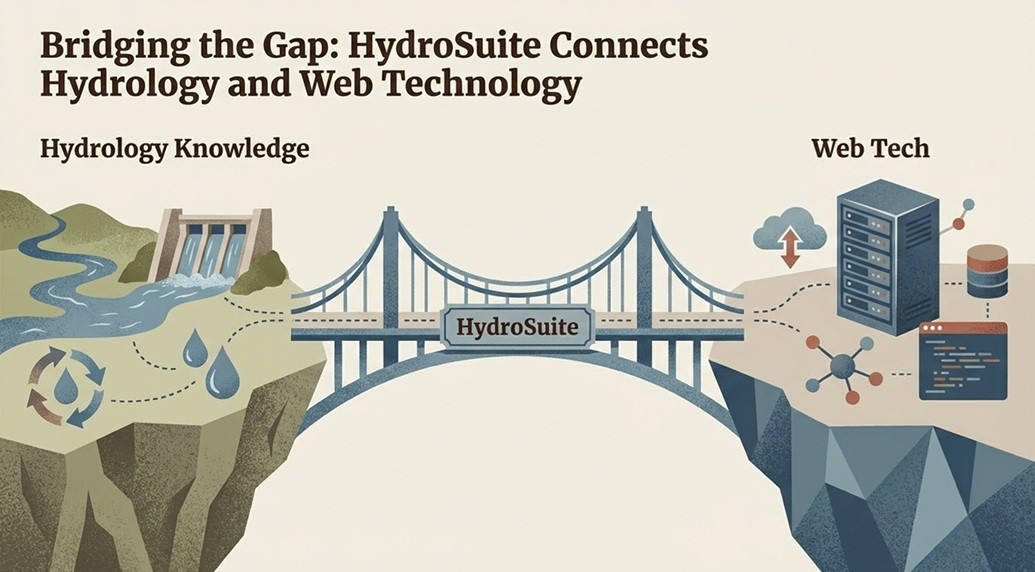
This conceptual approach was reflected throughout the training programme, which combined hydrological expertise with cloud-based platforms, open-source tools and AI-enabled workflows aligned with FAIR data principles.
Key figures
348 registered participants
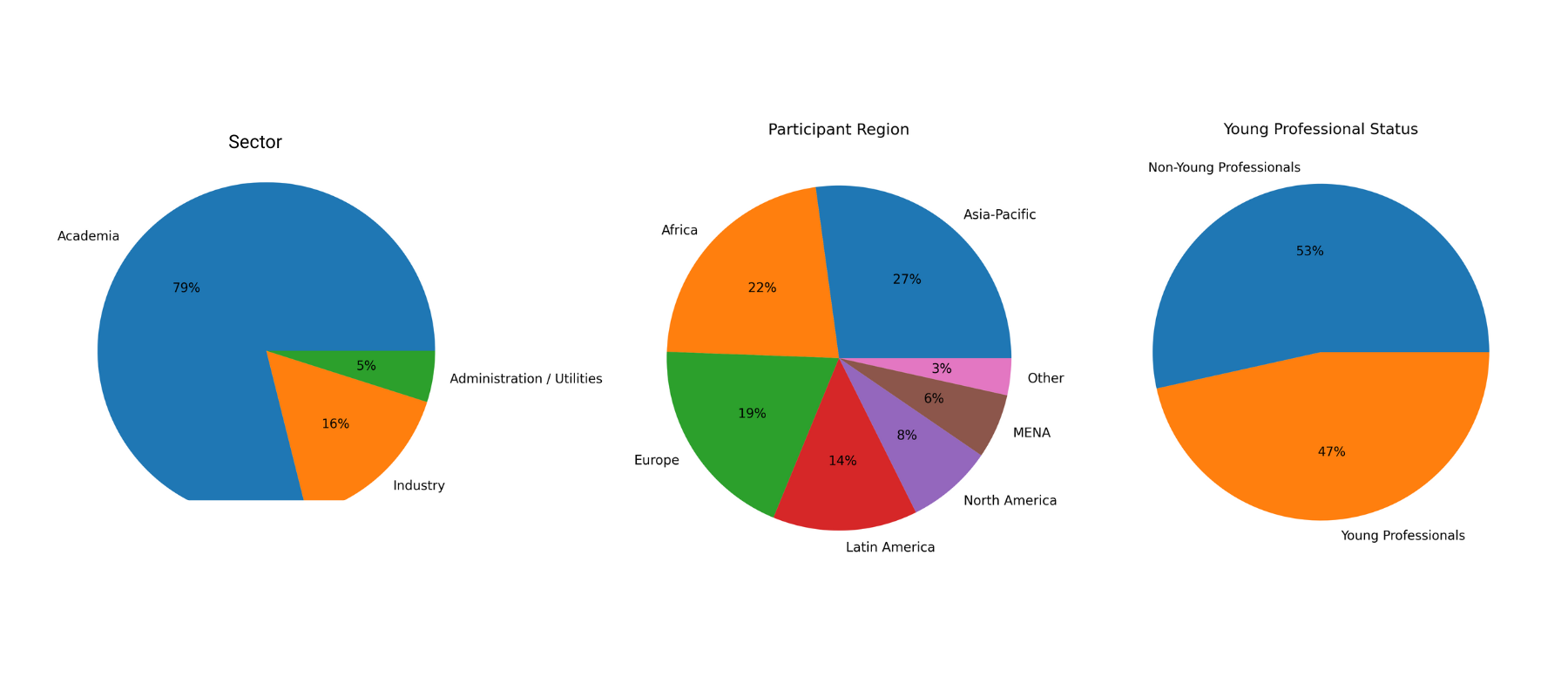
79% from academia, followed by industry (16%) and a minority from Administration/Utilities (5%)
Global participation across all IAHR regions, led by Asia-Pacific (27%), Africa (22%) and Europe (19%)
47% Young Professionals, highlighting strong engagement of early-career members
75% of respondents rated the course Excellent or Very Good
84% found the balance between theory and practice appropriate
The course promoted a web-first hydroinformatics paradigm, combining water science, artificial intelligence, and cloud computing. The training addressed limitations of traditional “black-box” hydrological methods by introducing transparent workflows aligned with the FAIR data principles (Findable, Accessible, Interoperable, Reusable).
Participants followed a structured five-step workflow—Acquire, Pre-process, Analyze, Model, and Disseminate—learning how to integrate data from sensors, APIs, and satellite sources, perform quality control, apply statistical and AI-based analyses, and communicate results through dashboards and web applications. A strong emphasis was placed on hands-on learning, enabling participants to develop practical outputs applicable to real-world water management challenges.
The post-course evaluation highlighted a high level of satisfaction with both content and format. Participants particularly valued the practical orientation of the course, the quality of the materials provided, and the interactive round-table discussion that concluded the training. Feedback also demonstrated strong support for this IAHR training initiative and a clear interest in future courses focusing on hydroinformatics and AI-driven approaches.
Recordings are available to watch on demand for IAHR Members!
Related content