Report from IAHR's 10th International Conference on Physical Modelling in Coastal Engineering and Science (Coastlab26)
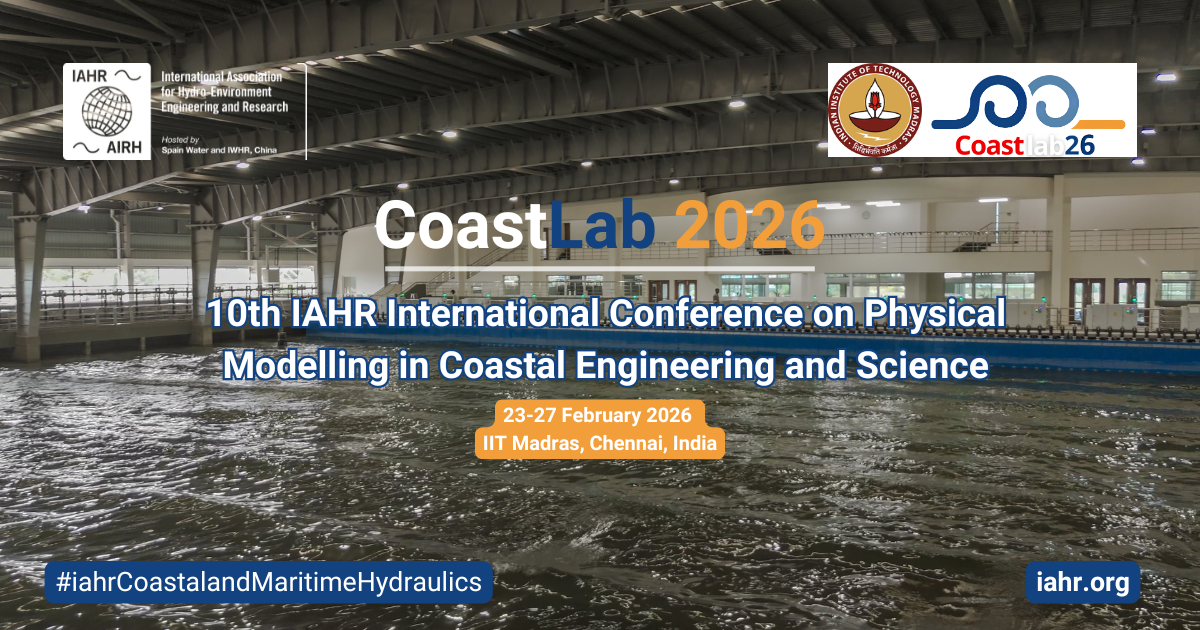
The IAHR Coastlab26 conference was held at IIT Madras, India | February 23-27, 2026.
Introduction
The 10th International Conference on Physical Modelling in Coastal Engineering and Science (Coastlab26) was held from 23rd to 27th February 2026 at Indian Institute of Technology Madras, Chennai. The conference continues the successful Coastlab series previously hosted in cities such as Porto (2006), Bari (2008), Barcelona (2010), Ghent (2012), Varna (2014), Ottawa (2016), Santander (2018), Zhoushan (2020), and Delft (2024). CoastLab26 was organized under the auspices of the International Association for Hydro-Environment Engineering and Research, particularly its Coastal and Maritime Hydraulics Committee. The conference brought together global experts in coastal engineering, port engineering, and physical modelling to exchange knowledge and foster collaboration.
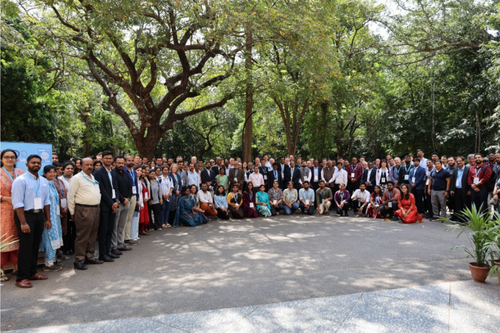
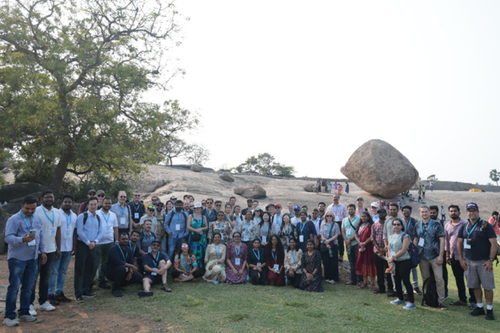
The conference emphasized the continued relevance of physical modelling in an era dominated by computational methods. With growing challenges such as climate change, coastal vulnerability, and sustainable infrastructure development, physical modelling remains a critical tool for understanding complex hydrodynamic processes and validating numerical simulations. The Coastlab26 conference had four keynote lectures, 82 technical presentations in total, and 100+ participants (see Picture above) from 18 countries along with the participants from host country. Further, a dedicated workshop on “Advances in physical modelling” delivered from different laboratories was organised.
The conference was organized by a committee consisting of V. Sriram and K. Murali.
The main venue was IC&SR building located at IIT Madras. Spread over a sprawling, lush green area in Chennai, the campus is set within a protected forest reserve. The tree-lined avenues, abundant greenery, and presence of wildlife such as deer and blackbucks made it an ideal setting for CoastLab26.
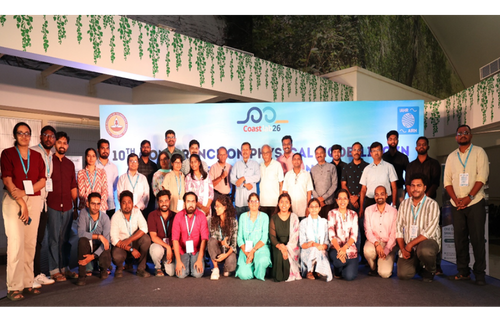
During the closure of the conference the chair of the Maritime Committee of IAHR, Zhiguo He, presented the next location of the conference for 2028, as was selected by the committee during the committee meeting: IIT Madras in India.
Participation and Organization
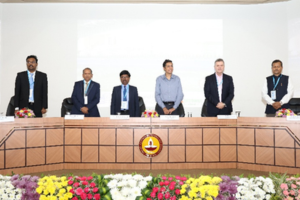 The conference witnessed strong international participation, with approximately 100+ participants from around 18 countries. Attendees included researchers, academicians, industry professionals, policymakers, and students, creating a diverse and interdisciplinary environment.
The scale of the conference ensured a balanced and engaging atmosphere—large enough to cover a wide range of topics while still enabling meaningful interactions and networking among participants.
The event was supported by organizing and scientific committees comprising experts from leading institutions worldwide. Contributions from our Partner National Technology Centre for Ports Waterways and Coasts (NTCPWC), sponsors and collaborating organizations helped enhance the quality of the conference and support student participation. Our Sponsors included: Indomer Coastal Hydraulics [P] Ltd., Van Halteren Technologies, MadTTech and National Research Council Canada.
Programme Overview
The conference programme spanned five days and included:
Pre-conference activities and workshops
Three days of technical sessions
Keynote lectures and panel discussions
Post-conference workshops and laboratory visits
Technical Tour - Chennai Port and Ennore Port
Each day of the technical programme began with a plenary keynote lecture, followed by parallel technical sessions. Additional activities such as networking sessions, panel discussions, and informal interactions enriched the overall experience.
The conference also included (placeholder) social and networking events such as an icebreaker session, conference dinner, and informal meetups, which facilitated collaboration and professional connections among participants.
Technical programme and Key Highlights
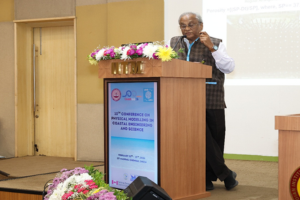
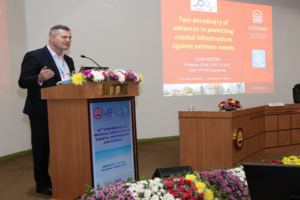
The conference featured four keynote lectures delivered by internationally renowned experts, offering insights into emerging trends and challenges in coastal engineering and physical modelling. A total of over 82 technical presentations were delivered across multiple parallel sessions, showcasing cutting-edge research and innovative experimental methodologies. These presentations covered a broad spectrum of topics, including: Hydrodynamics and Morphodynamics, Laboratory Technologies, Port and Coastal Engineering, Renewable Energy and Comparative Study Session. The sessions highlighted both fundamental research and practical applications, bridging the gap between academia and industry.
Interactive panel discussions and dedicated networking sessions were also organized, encouraging dialogue between researchers, practitioners, and policymakers. These interactions facilitated knowledge exchange and promoted future collaborations.
Scientific themes and discussions
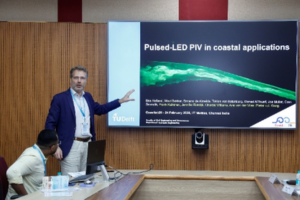
The scientific programme addressed several key thematic areas in coastal engineering and physical modelling. A significant portion of the presentations focused on coastal structures and their applications, including breakwaters, seawalls, and hybrid infrastructure systems.Another major focus area was physical modelling techniques and laboratory technologies, including advancements in wave generation, measurement systems, and scaling methodologies. The integration of modern tools such as imaging techniques, sensors, and data acquisition systems was widely discussed.
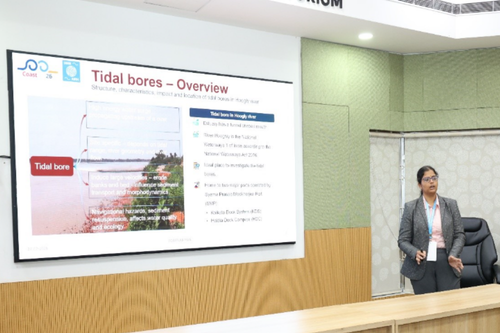
Research on hydrodynamic processes, including wave-structure interaction, sediment transport, and coastal flooding, climate change formed a core part of the programme. Increasing attention was also given to nature-based solutions, sustainable coastal infrastructure, and the role of vegetation in coastal protection. The conference further emphasized the importance of addressing global challenges such as climate change adaptation, coastal risk management, and sustainable marine development through innovative experimental approaches. The different themes under which participants presented their research include:
Large Scale Physical Modelling
Physical & Numerical Modelling
Coastal Structures
Analytical and Numerical Modelling
Long Waves
Artificial Reef
Mobile Bed Modelling
Wave Overtopping, Run-Up, Porous Media
Extreme Waves
Laboratory Technologies
Modelling Vegetation
Renewable Energy
Coastal Flows
Workshop and Special Sessions
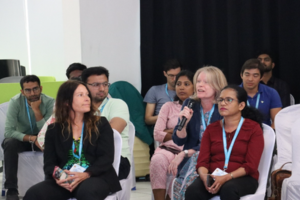 A key highlight of CoastLab26 was the organization of specialized workshops aimed at enhancing practical understanding and technical skills. The conference included a workshop on “Advances in Physical Modelling in Coastal Engineering”, held at IIT Madras’ Discovery Campus. This workshop featured contributions from leading international institutions such as TU Delft, Imperial College London, Plymouth University, University of Hannover, and IIT Madras, presenting the latest state-of-the-art developments in physical modelling.
The workshop sessions provided participants with exposure to advanced experimental setups, measurement techniques, and modelling practices. This was followed by a post-conference laboratory visit, allowing participants to directly observe and interact with large-scale experimental facilities. In addition, hands-on sessions and technical demonstrations enabled participants to gain practical insights into modern experimental methodologies and instrumentation used in coastal engineering research.
Disseminations and publications
The conference played a significant role in disseminating knowledge within the coastal engineering community. All participants contributed through presentations, extended abstracts, or full papers. Approximately 54 papers are expected to be published in Scopus-indexed proceedings on “Lecture notes in Civil Engineering” by Springer Nature. These efforts ensure long-term accessibility and impact of the research presented at CoastLab26.
Networking, interaction and collaboration
CoastLab26 provided numerous opportunities for interaction and collaboration among participants. Formal sessions such as technical presentations were complemented by informal networking opportunities during breaks and social events. These interactions facilitated the exchange of ideas, development of collaborations, and strengthening of professional networks across academia and industry.
The participation of both early-career researchers and experienced professionals contributed to a dynamic and inclusive environment, fostering mentorship and knowledge sharing.
Main outcomes
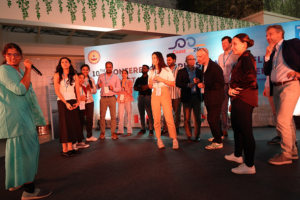 The key outcomes of CoastLab26 can be summarized as follows:
Strengthened global research collaboration in coastal and port engineering, particularly in physical modelling studies. Impact on long and complex coastline such as in India.
Showcased innovative experimental techniques and real-world engineering solutions.
Contributed to the dissemination of research through Scopus-indexed conference proceedings.
Identified emerging research directions in climate resilience, sustainable infrastructure, and marine systems.
Promoted integration of experimental, numerical, and field-based approaches in coastal engineering
Conclusion
CoastLab26 successfully continued the legacy of the CoastLab conference series by providing a dynamic platform for advancing research and innovation in coastal engineering and science. The conference reinforced the importance of physical modelling as a vital tool in addressing complex coastal challenges.
The event fostered meaningful academic exchange, encouraged interdisciplinary collaboration, and set the stage for future developments in coastal engineering, particularly in the context of sustainability and climate resilience.
Related
Committee on Coastal and Maritime Hydraulics