Celebrating Young Professionals during the 9th IAHR Europe Congress
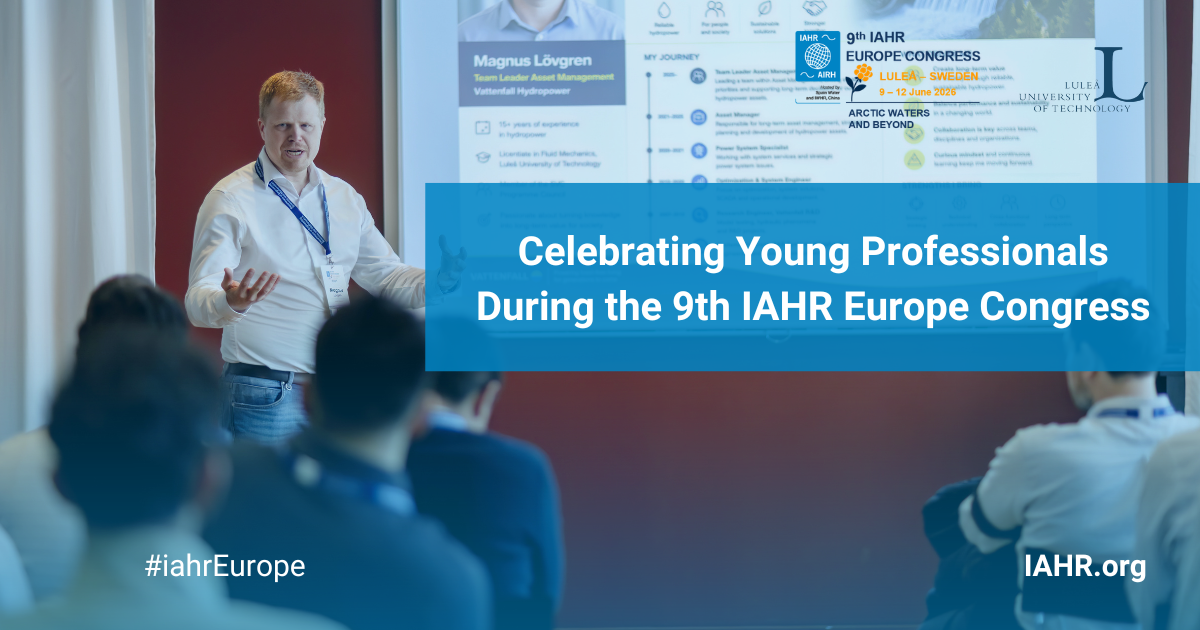
The 9th edition of the European Congress in Luleå, Sweden, organised a series of activities to foster relationships between young professionals, as well as to help them explore their long-term career paths and gain honest, practical insights from experienced leaders.
Academia, Industry and Policy: Navigating Career Paths as a Young Professionals
A panel discussion titled “Academia, Industry & Policy: Navigating Career Paths as a Young Professional” was organised for early-career professionals who are exploring their long-term career direction and seeking honest, practical insights from experienced leaders.
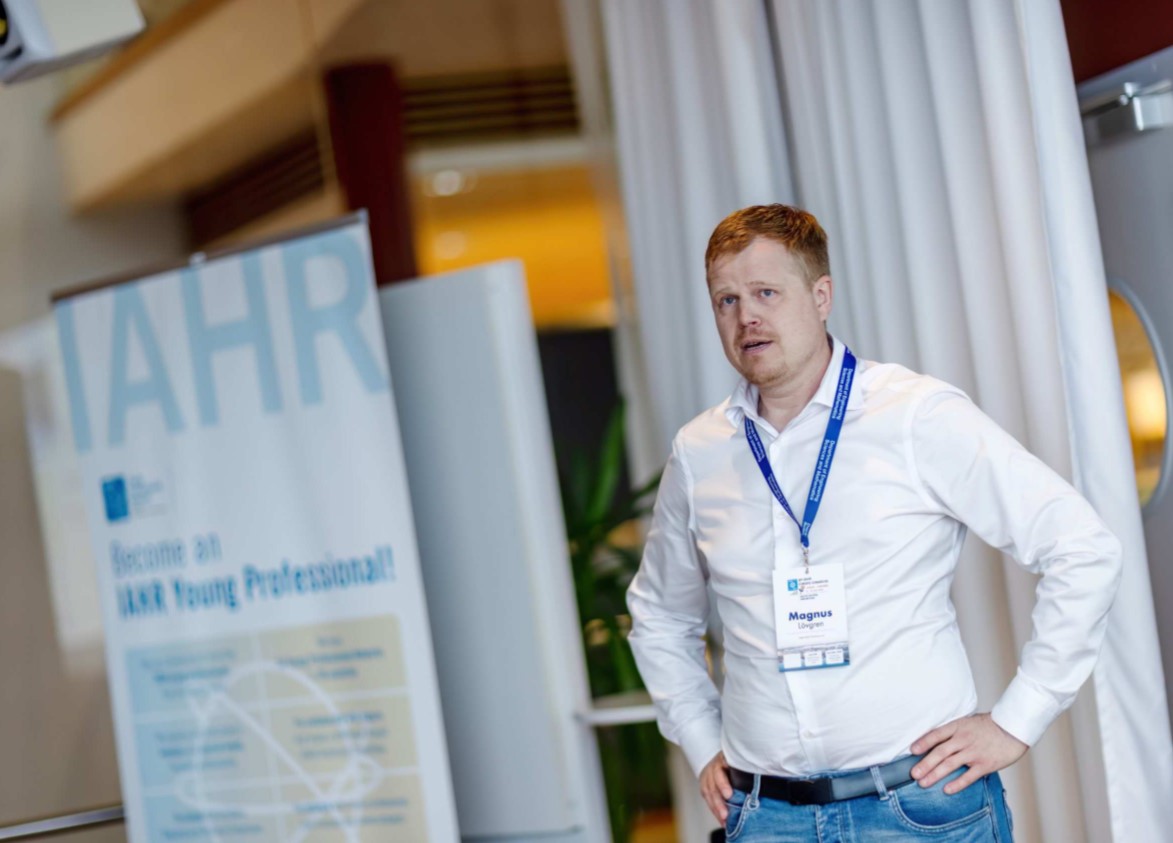
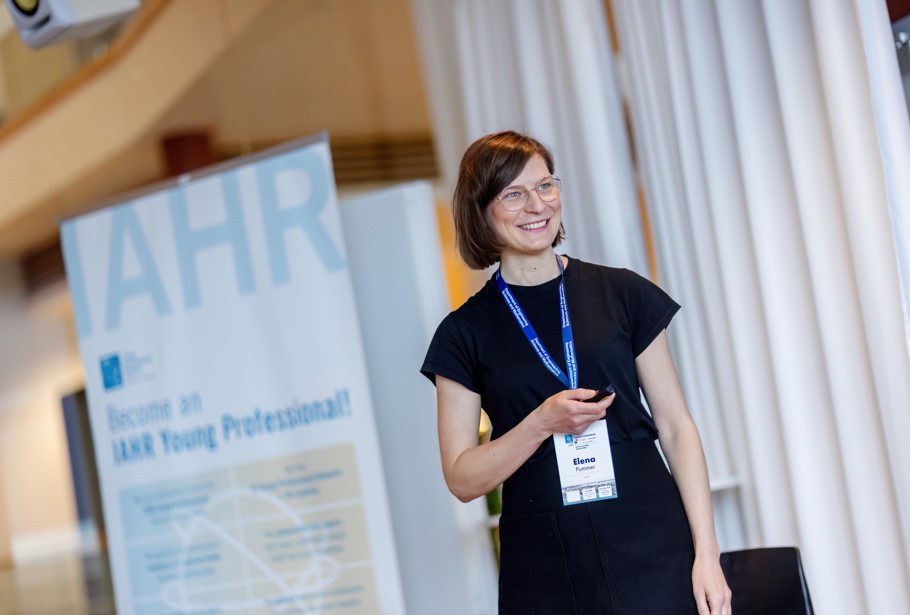
Moderated by Utsav Adhikari, the session brought together perspectives from academia, industry, and policy through a panel consisting of Prof. Elena Pummer (NTNU), Dr. Emanuele Quaranta (European Commission Joint Research Centre), and Magnus Lövgren (Vattenfall Vattenkraft AB). The discussion focused on career paths, daily work, impact, progression, and the skills needed to succeed in each sector.
Some key insights from the discussion included:
Policy and public-sector work often provide opportunities to influence decisions with broad societal impact. However, the work is strongly guided by established procedures, regulations, and institutional protocols. Scientific outputs are often valued based on how effectively they support policy development and decision-making.
Academia offers significant intellectual freedom and opportunities to explore new ideas, but career progression is closely linked to securing research funding, publishing, and building collaborations. Advancement pathways can vary considerably between universities and countries.
Industry was highlighted as being more focused on practical implementation, measurable outcomes, and shorter feedback cycles. Success is often tied to project delivery, operational performance, and creating tangible value for organizations and society.
One of the audience questions focused on how artificial intelligence (AI) is shaping career opportunities and daily work across academia, industry, and policy. The panelists noted that AI is increasingly becoming a powerful tool rather than a replacement for professionals. In academia, AI can support literature reviews, data analysis, and research productivity; in industry, it is being integrated into decision-making, optimization, and operational processes; while in policy, AI can assist with evidence synthesis and scenario analysis, although human judgment, transparency, and regulatory oversight remain essential. The panel emphasized that young professionals should develop AI literacy and learn how to use these tools effectively, while continuing to strengthen critical thinking, communication, and domain expertise.
Overall, the session provided a candid and practical discussion that encouraged participants to reflect on their own career aspirations while appreciating the complementary roles of academia, industry, and policy in addressing societal challenges.


Other Activities
Young Professionals’ Night: the young attendees also had the opportunity to join a boat ride under the midnight sun for an informal and relaxed evening to meet their fellow young researchers and the YP network Scandinavia (now Nordic YPN).
Young Professional's Lunch - Collaboration in Hydro-Environmental research: During the last conference day, young professionals were also able to join a lunch with other young professionals for an interactive session focusing on strengthening collaboration within the field of hydro-environmental research.
Related
Key Takeaways from the 9th IAHR Europe Congress
Europe Division
IAHR Young Professionals Network